
Breaking down barriers to work: Education, employment and training;
How do we bridge the health, inequalities and skills gap?
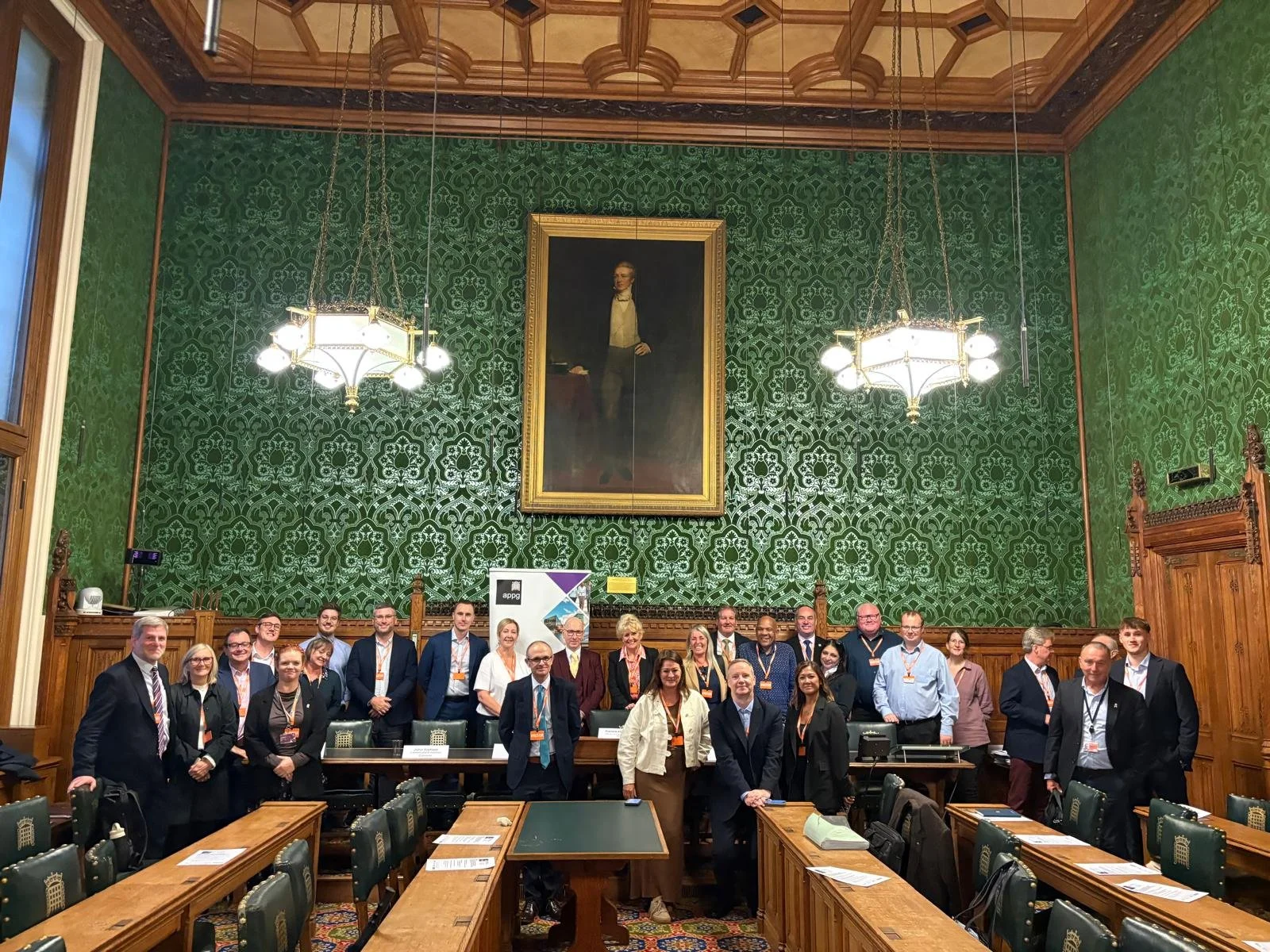
On Tuesday 18th March, the Liverpool City Region APPG held an important session in Westminster, focusing on how we can align health, skills, and employment support to break down barriers to work, tackle health inequalities, and unlock the full potential of LCR’s workforce.
Chaired by LCR APPG Officer, Patrick Hurley MP, and featuring a keynote address from Rt Hon Baroness Jacqui Smith, Minister for Skills, this session tackled the critical structural barriers holding back regional prosperity, including health-related inactivity, the post-pandemic rise in young people not in education, employment, or training (NEETs), and the regional skills gap. Attendees explored how devolved powers, local partnership, and integrated support systems can build direct pathways into high-quality, sustainable jobs.
We were joined by a fantastic panel of expert contributors including:
Claire Bott, Director of Employment, Skills and Inclusion, Liverpool City Region Combined Authority (LCRCA)
John Yarham, CEO, Careers and Enterprise Company
Andy Clarke, Director, Ahead Partnership
This discussion spanned a broad range of critical topics, from addressing youth unemployment through the Youth Guarantee, expanding youth hubs, and reforming apprenticeships, to integrating local housing, healthcare, and employment support.
We also examined the essential role of early interventions such as career hubs, co-designed employer projects, other programmes in preventing young people from becoming NEET. We welcomed a wide-ranging Q&A covering the hospitality sector skills passport, wrap-around support from the third sector, local transport connectivity, and alternative technical education pathways to broaden career horizons across the region.
Key Messages
Breaking down silos: Health, education, and employment cannot continue to be treated as separate issues. Addressing high levels of economic inactivity and supporting NEETs requires a fully joined-up, place-based approach that combines skills provision with wrap-around health and wellbeing support.
Early intervention and trust: Reaching young people early is vital to building career awareness, self-confidence, and resilience before individuals become disengaged. Successful interventions rely heavily on early employer exposure, co-design with young people, and trusted 1-to-1 relationships.
Devolution and regional flexibility: National schemes are most effective when adapted and delivered at a local level. Further devolving post-16 funding, 16–19 education resources, and skills programs gives regional authorities the flexibility needed to innovate, target local gaps, and create long-term pathways.
Redefining success metrics: Beyond getting individuals into any job, the region needs shared outcome frameworks that measure job quality, sustainability, and improvements in health and personal wellbeing.
Elevating the third sector: Youth workers, charities, and grassroots organisations are essential to building collective community responsibility and reaching those furthest from the labor market. Their expertise must be fully integrated into regional delivery plans alongside local government and business.
