
Breaking down barriers to greener homes and places: Unlocking skills, jobs and opportunities to meet LCR’s regeneration and retrofit challenge?
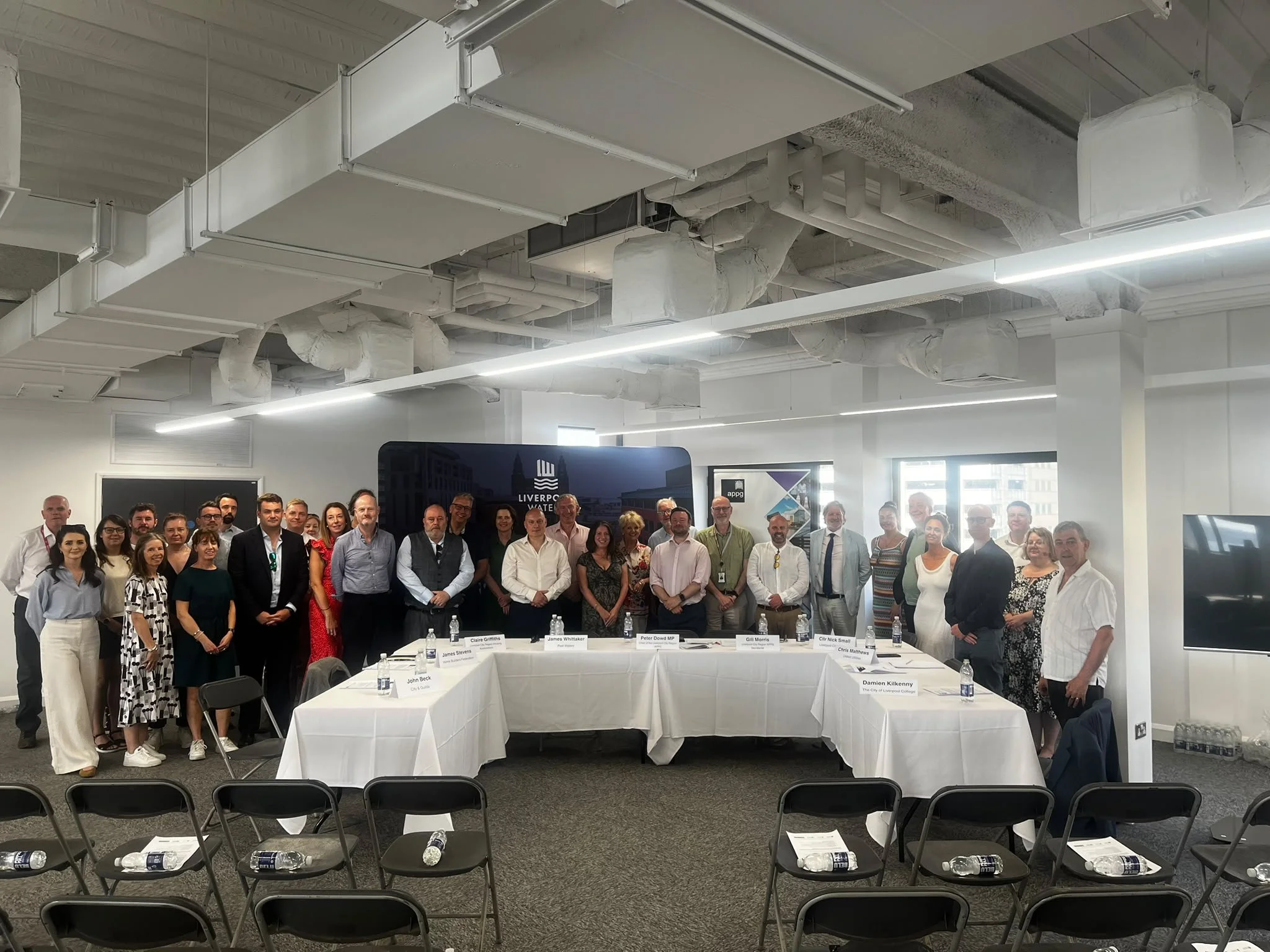
On Friday 26th June, the Liverpool City Region APPG held a special visit and roundtable at the Liverpool Waters regeneration district, focusing on how we can unlock the skills, jobs and opportunities to meet the regions ambitions for housing, retrofit and regeneration.
The Tour
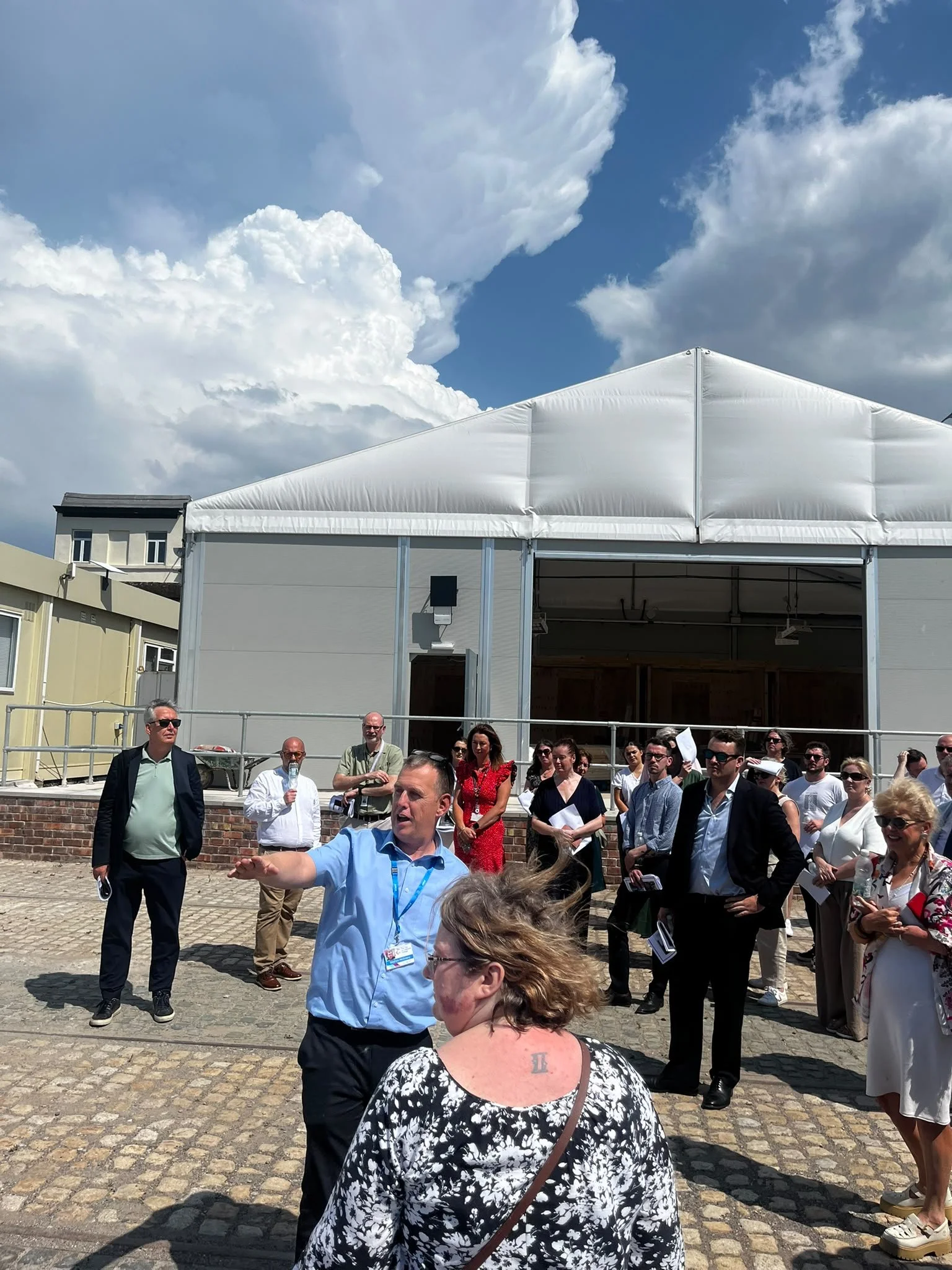
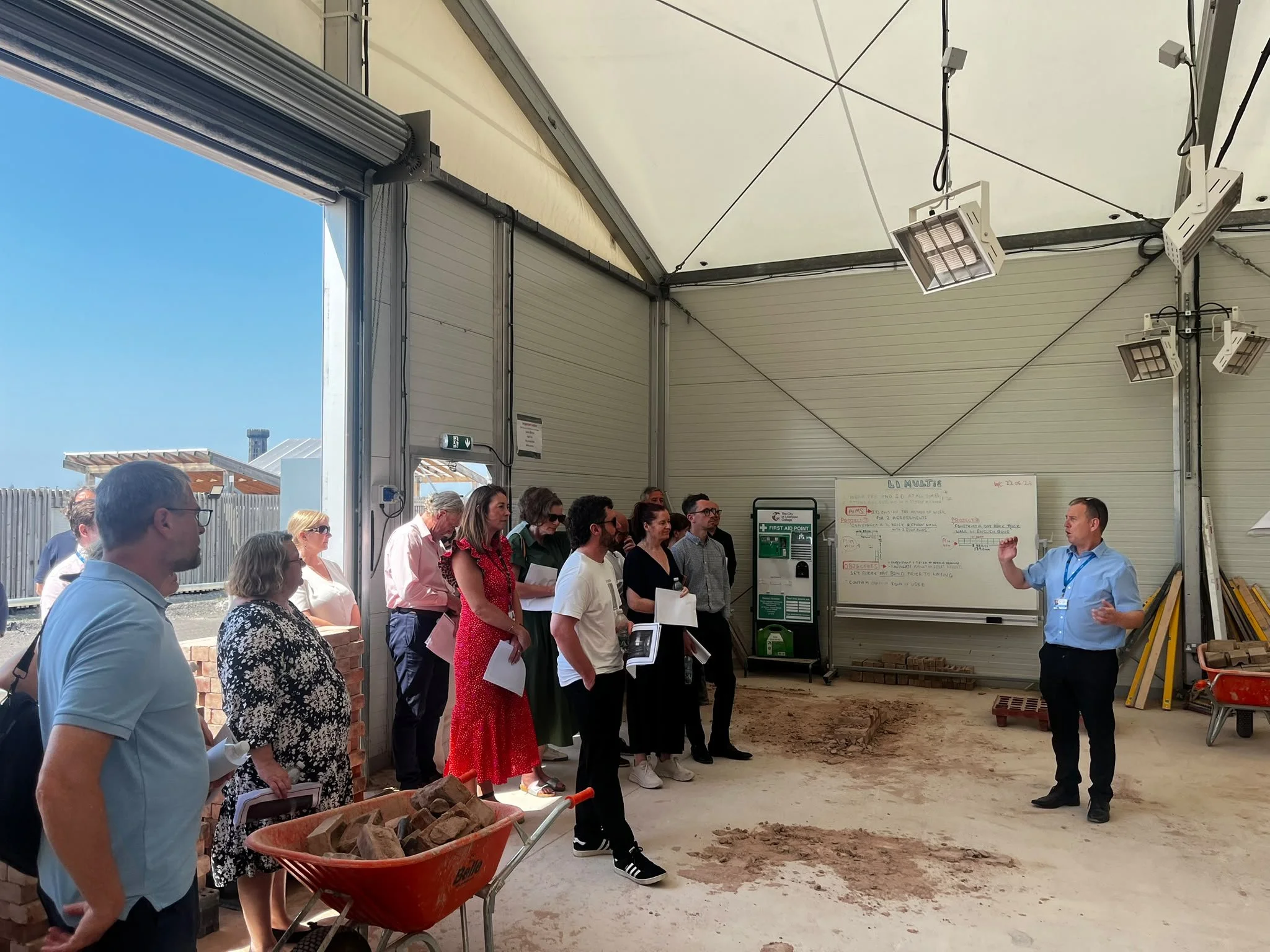
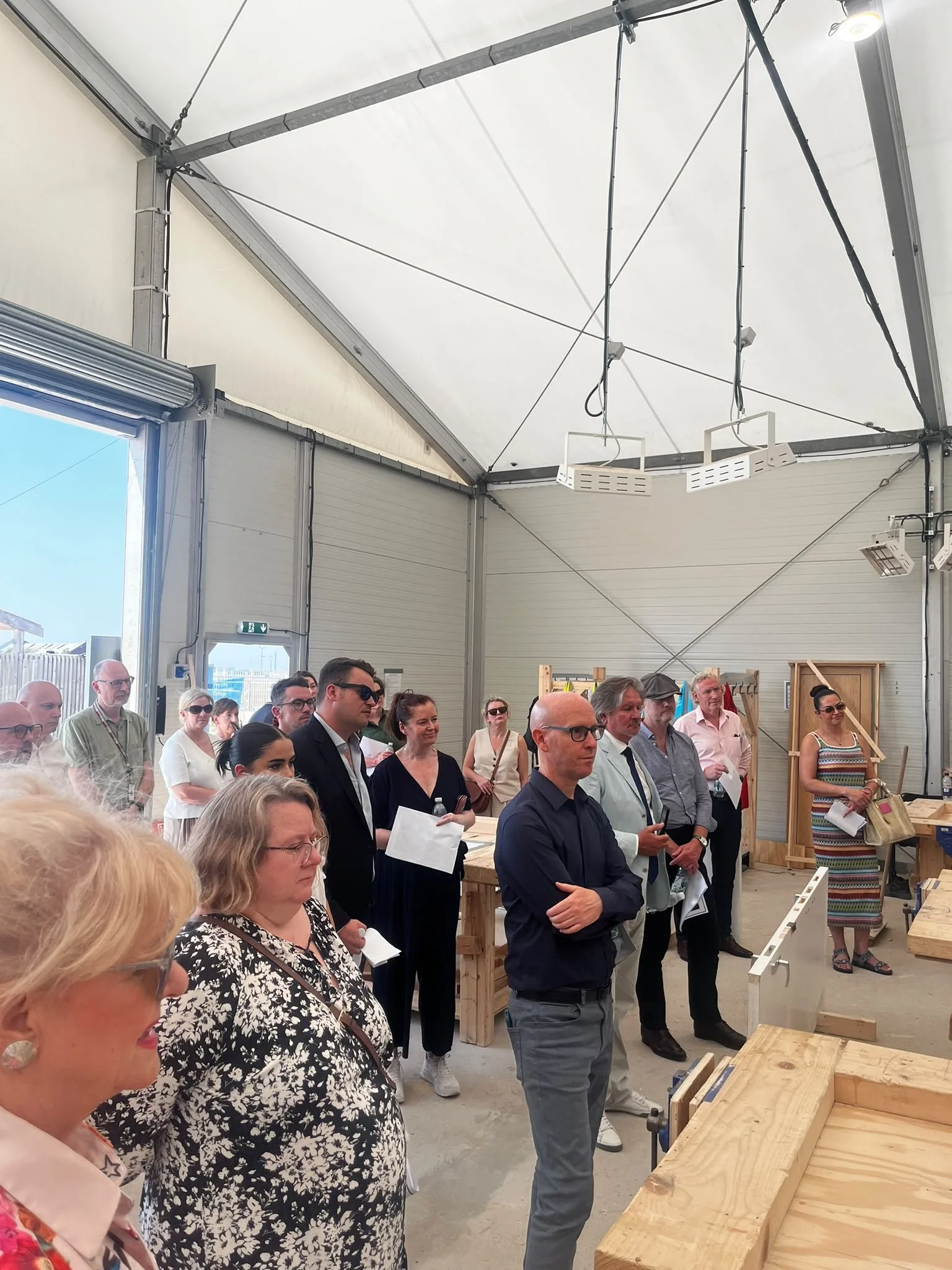
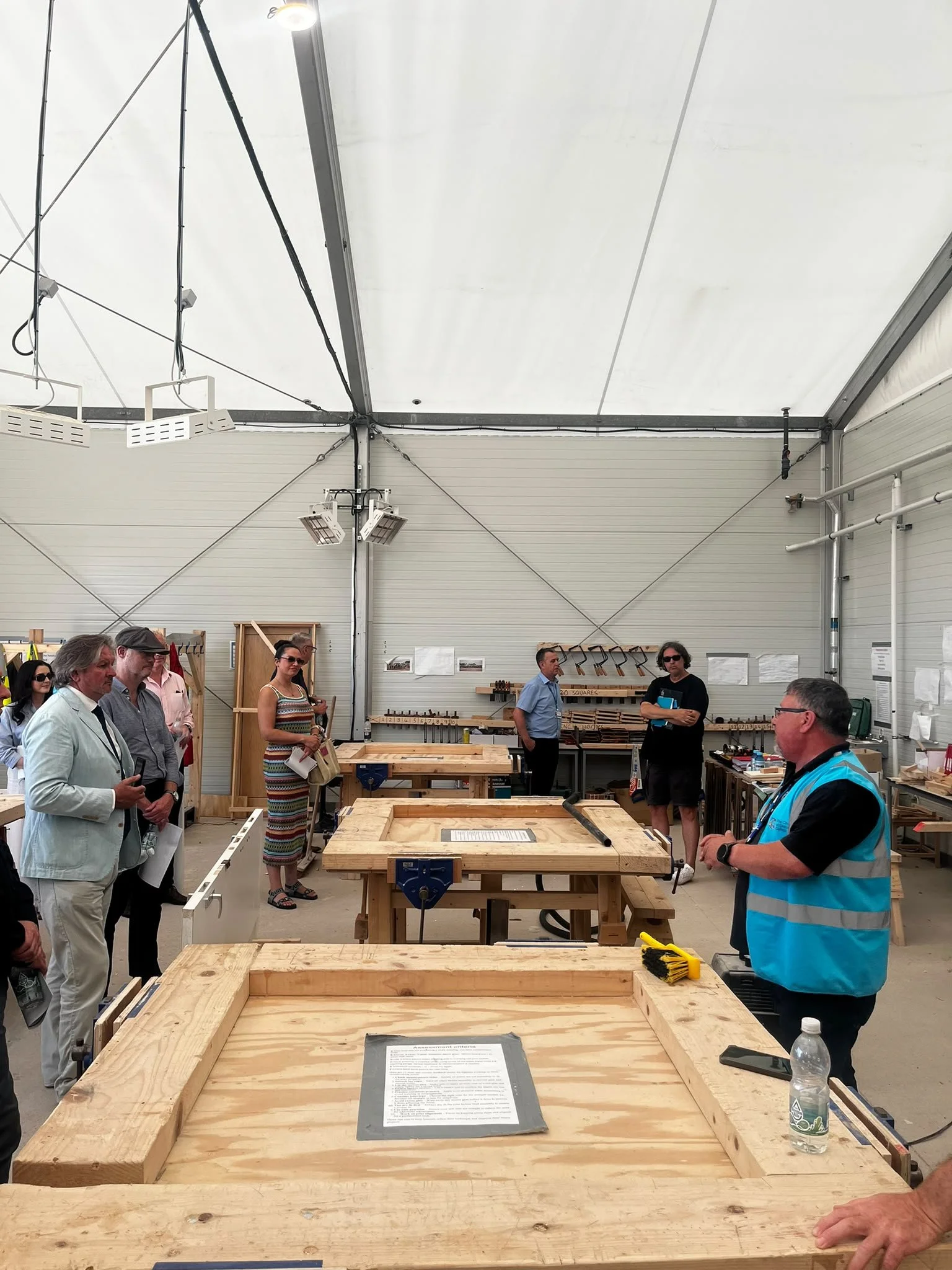
The start of the afternoon consisted of an exclusive tour of the City of Liverpool College’s flagship construction academy at the Central Docks, providing real world technical training at a hub on the regeneration site to new learners in key skills such as bricklaying, carpentry, joinery and green skills. After a welcome by the City of Liverpool College’s Deputy Principal Damien Kilkenny, the tour saw their three innovative workshops on site for construction skills, teaching the latest industry standard methods, materials and tool work - led by their dedicated training team.
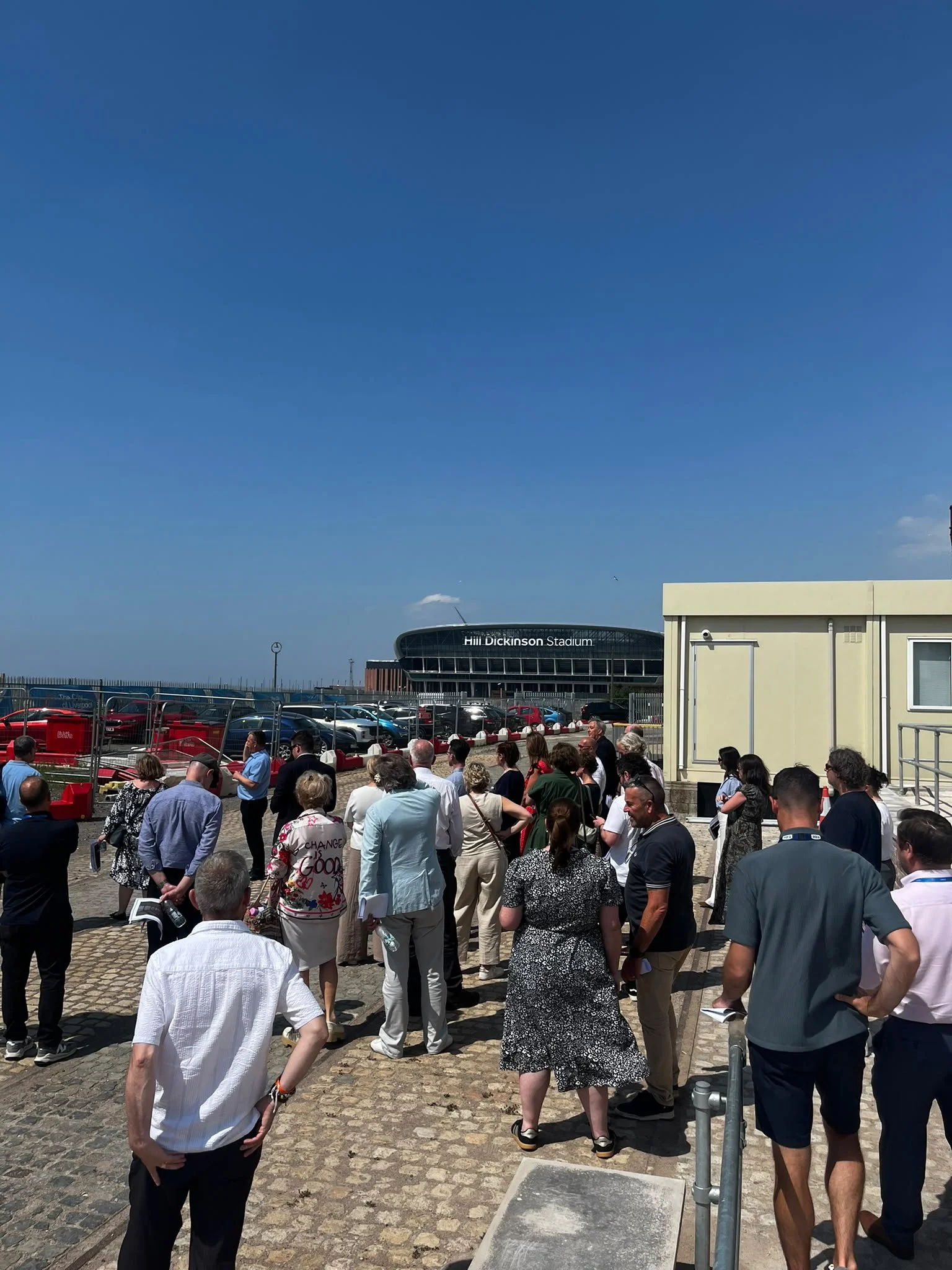
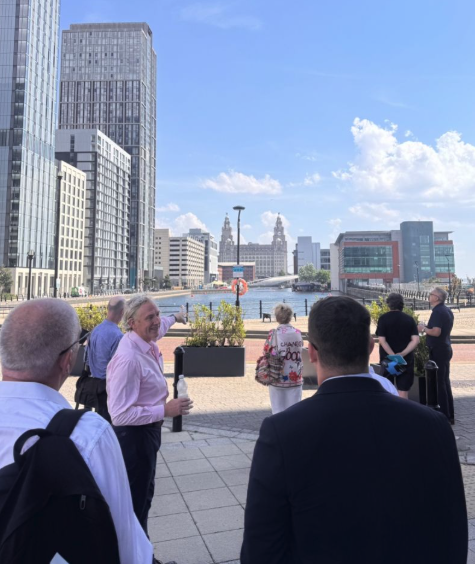
The tour also saw their big future plans for the site, including solar generation as well as cutting edge real house models for students to practice their skills in a professional environment. After the tour, the group was then led for a walking tour through the Liverpool Waters regeneration district by James Whittaker, Managing Director, Peel Waters. This tour included a first-hand look at the work they are doing at the Central Docks site with plans to build over 2,350 homes - as well as a tour of their recently completed regeneration work at Princes Dock, which includes mixed use residential areas, an outdoor sauna as well as new green spaces.
The Roundtable
Held at the Liverpool Waters offices at the heart of the Princes Dock, the group then moved to a roundtable session, chaired by Liverpool City Region APPG chair Peter Dowd MP.
The roundtable brought together some of the city regions top experts and professionals from across the built environment, skills, utilities and politics, including:
James Whittaker, Managing Director, Peel Waters.
Claire Griffiths, Chair, Liverpool City Region Housing Associations
James Stevens, Director of Cities, Home Builders Federation
Chris Matthews, Head of Regional Engagement, United Utilities
John Beck, National Manager, City and Guilds
Councillor Nick Small, Cabinet Member for Growth and Economy, Liverpool City Council / Nuala Gallagher, Director of Corporate City Development, Liverpool City Council
Damien Kilkenny, Deputy Principal, The City of Liverpool College
The roundtable addressed a significant number of key challenges currently facing the city region’s ambitions for housing and retrofit and the solutions needed to break down the barriers. Key points included the need for greater collaboration between FE colleges, training providers and house builders to ensure skills provision keeps pace with the developing needs of the sector, the need for a more streamlined approach to social value, how we can achieve additional capital funding to unlock private investment for regeneration as well as the need for greater resilience in new homes and communities through water management.
Key messages
While there are big opportunities happening in North Liverpool, if the benefits stop there that would be wrong - we have to go out to further areas across the city region to ensure they too can receive the benefits of regeneration and development.
While there is a skills gap at the college level, there is also a gap in assessors and trainers who can coordinate retrofit skills and assess the needs of buildings - this is important for the future pipeline.
What we need is an overview to look at whether there is any duplication in our work and whether there are opportunities to coalesce to increase our current output as a city.
We have a 60% wastage rate for people going into construction colleges. Another problem with the Further Education sector was they were teaching the skillsets that were less required by current house builders - this is an increasing issue as we move towards Modern Methods of Construction (MMC).
Our sewer network is only 37% full at normal times but Liverpool has a bigger challenge, 84% of its sewers take both rain water and foul water - the average is far lower across the country. To achieve green resilient places we need to tackle water flooding and derisk - we need to have these connected conversations.
When it comes to these large projects, we have to have the determination to see it through, large scale development requires a lot of patience, it doesn't happen overnight.
If you have a 1 year contract with a client but their apprenticeship is 4 years - you can't guarantee that you can keep them on. If we are going to take on apprentices we need stability.
There’s no ‘one size fits all’ approach that will work to approaching NEET’s.
Read the session discussion in full below
